
Ask with curiosity
Notice what is unclear. Form a question that can be explored, and stay open when the evidence changes your thinking.
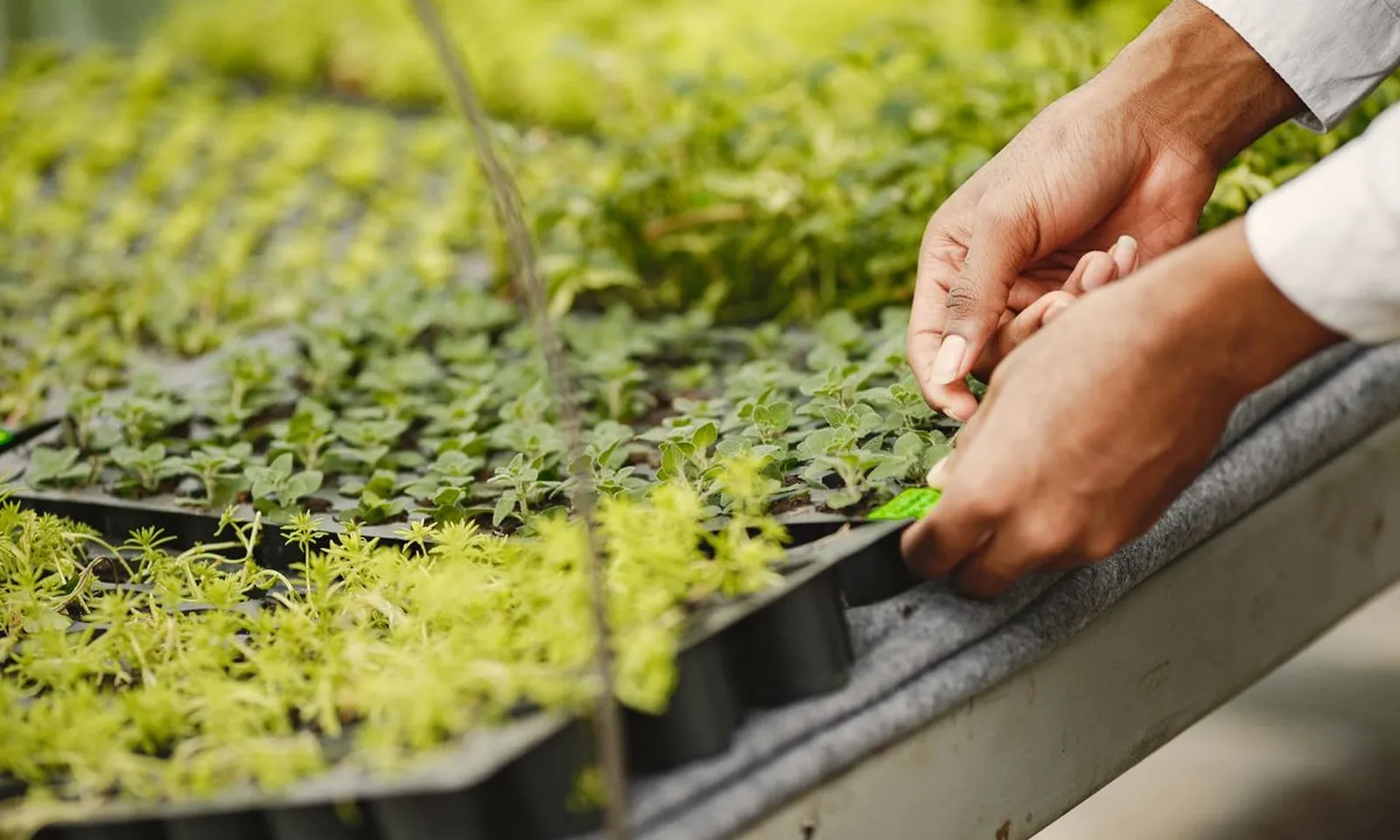
Principles matter when they shape everyday choices: how we plan a lesson, respond to a mistake and make room for another point of view.
To help young people develop the understanding, confidence and care to participate thoughtfully in the world around them. This means building knowledge with discipline and learning to use it with judgement. It also means recognising that personal growth and responsibility to others belong together.
A guiding statement should be visible in the work students do. When a class checks a source, revises an explanation or considers who is affected by a decision, an abstract value becomes a habit.
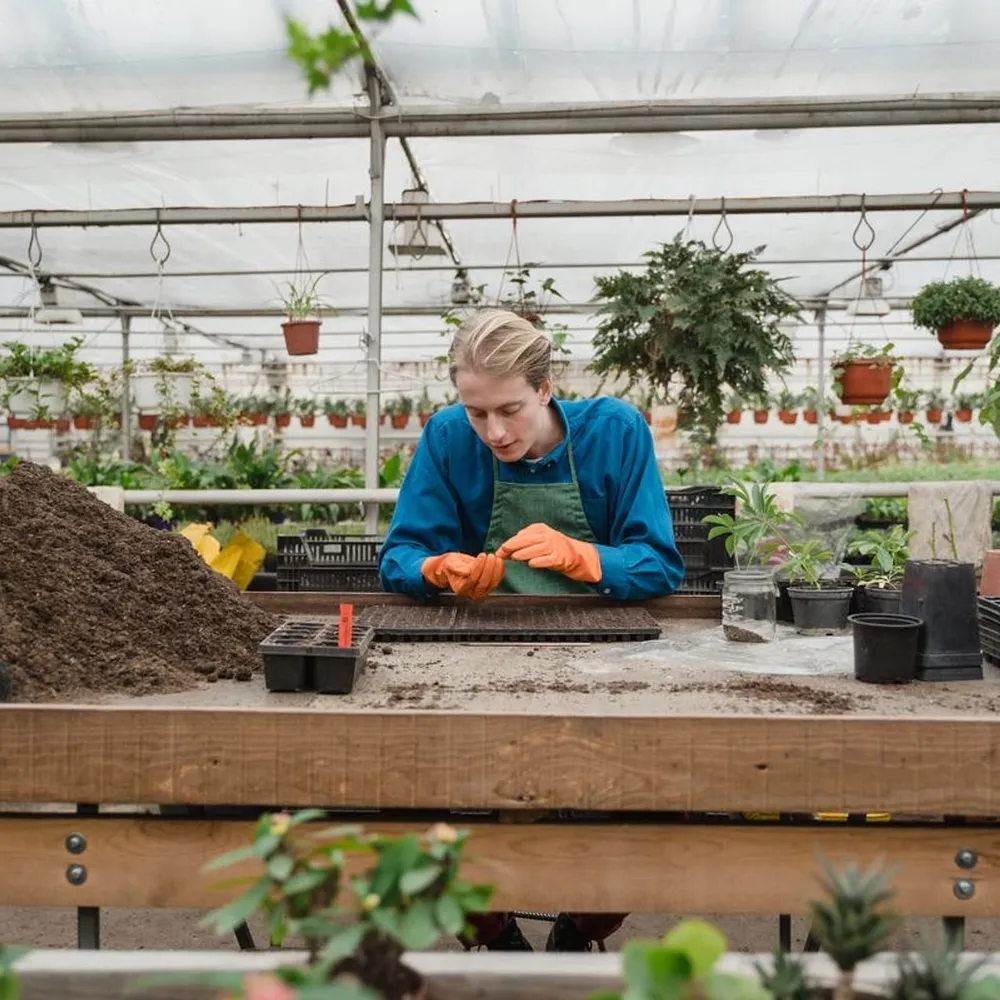
These commitments offer a shared language for learning. They are useful in a laboratory, a rehearsal, a discussion and the everyday life of a school.
Notice what is unclear. Form a question that can be explored, and stay open when the evidence changes your thinking.
Consider the people and places affected by your choices. Listen closely, include others and take responsibility for what happens next.
Turn ideas into considered work. Test, revise and explain the decisions behind what you create.
Student voice is more than being invited to speak. It includes learning how to make a reasoned suggestion, negotiate a shared decision and reflect honestly on the result. Responsibility grows through opportunities that are meaningful and appropriate to a student’s stage.
Families contribute a valuable perspective. Their knowledge of a child helps a school understand patterns that may not be obvious in a classroom. A strong partnership makes room for questions, clear information and respectful disagreement.
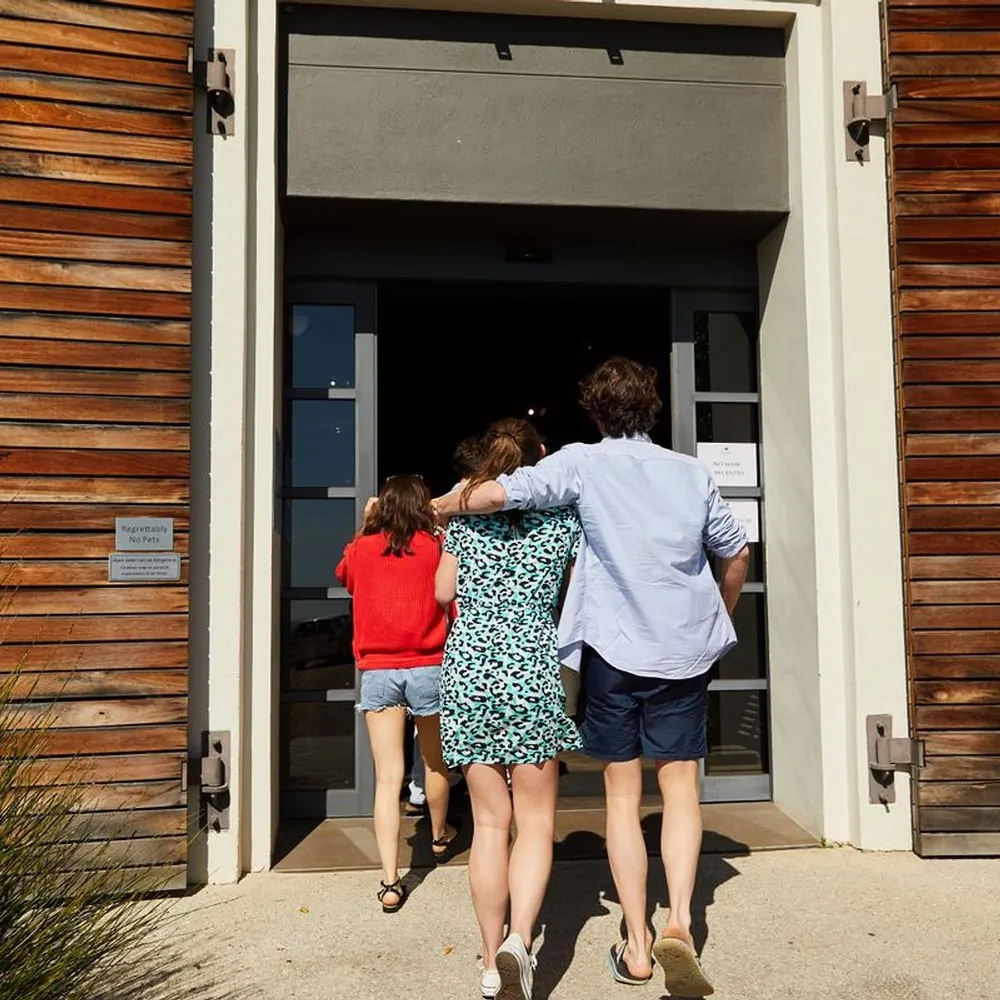
Start with a conversation about learning at CDI.
Book a Visit