
Visual arts and design
Explore observation, materials, composition and the relationship between an idea and its physical form.

The arts give students ways to notice, interpret and express things that cannot always be said in the same way through words alone.
| Who | Years 10–13 |
|---|---|
| When | Tuesday and Thursday, 16:45–17:45 |
Creative practice involves decisions. A musician listens for phrasing; a performer considers movement and timing; an artist chooses materials and revises a composition. Learning to explain these decisions helps students develop both technique and an individual point of view.
The process rarely moves directly from idea to finished work. Sketches, studies, rehearsals and revisions make thinking visible. They allow students to test a possibility without expecting every attempt to be successful. Useful feedback keeps attention on the work and what might strengthen it.
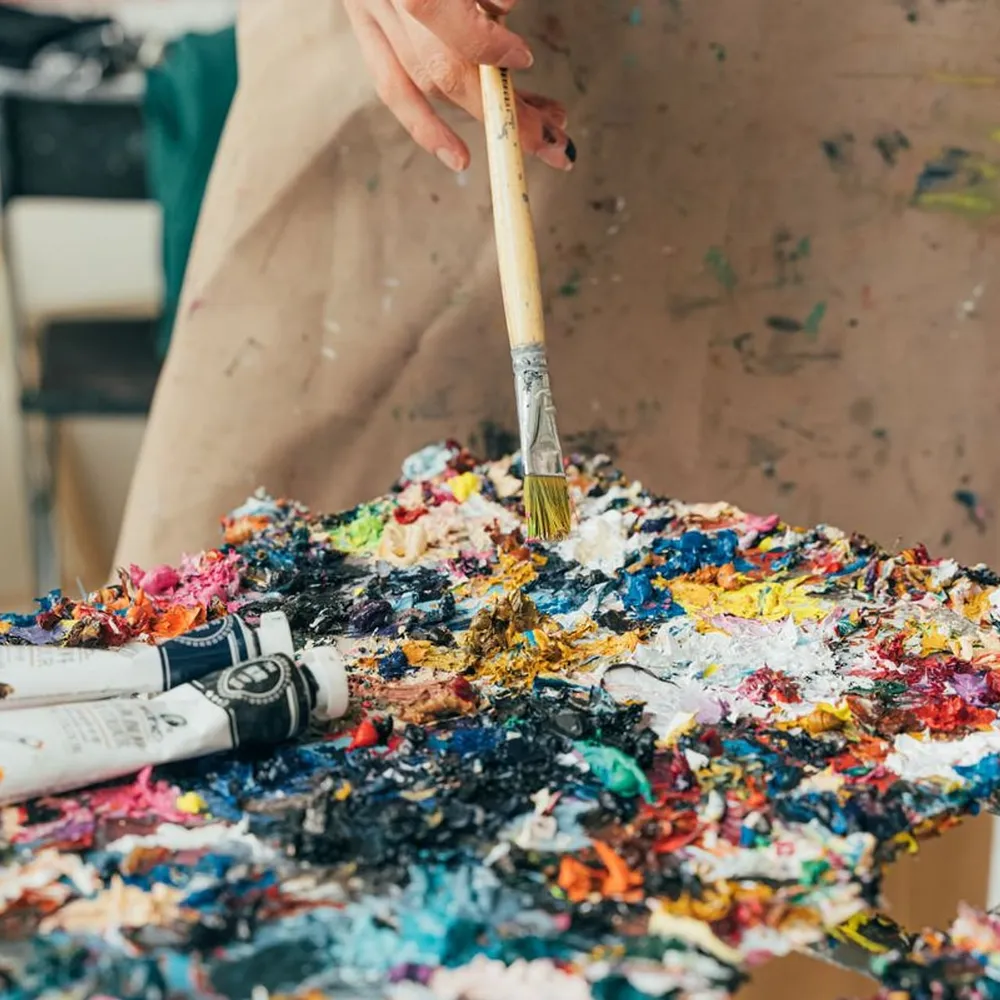
Explore observation, materials, composition and the relationship between an idea and its physical form.
Develop listening, technique and the experience of making music with others. Attend to both individual preparation and the shared result.
Investigate character, space, voice and the decisions that help an audience follow a story.
Sharing a piece asks a student to think beyond the moment of making it. What will an audience notice? What context will help? How does the setting affect the experience? An exhibition or performance gives these questions practical importance.
Participation can include roles beyond the most visible one. Design, technical preparation, documentation and careful organisation all contribute to a shared production. Students can discover that creative work depends on many forms of attention, and that a successful result often belongs to a group.
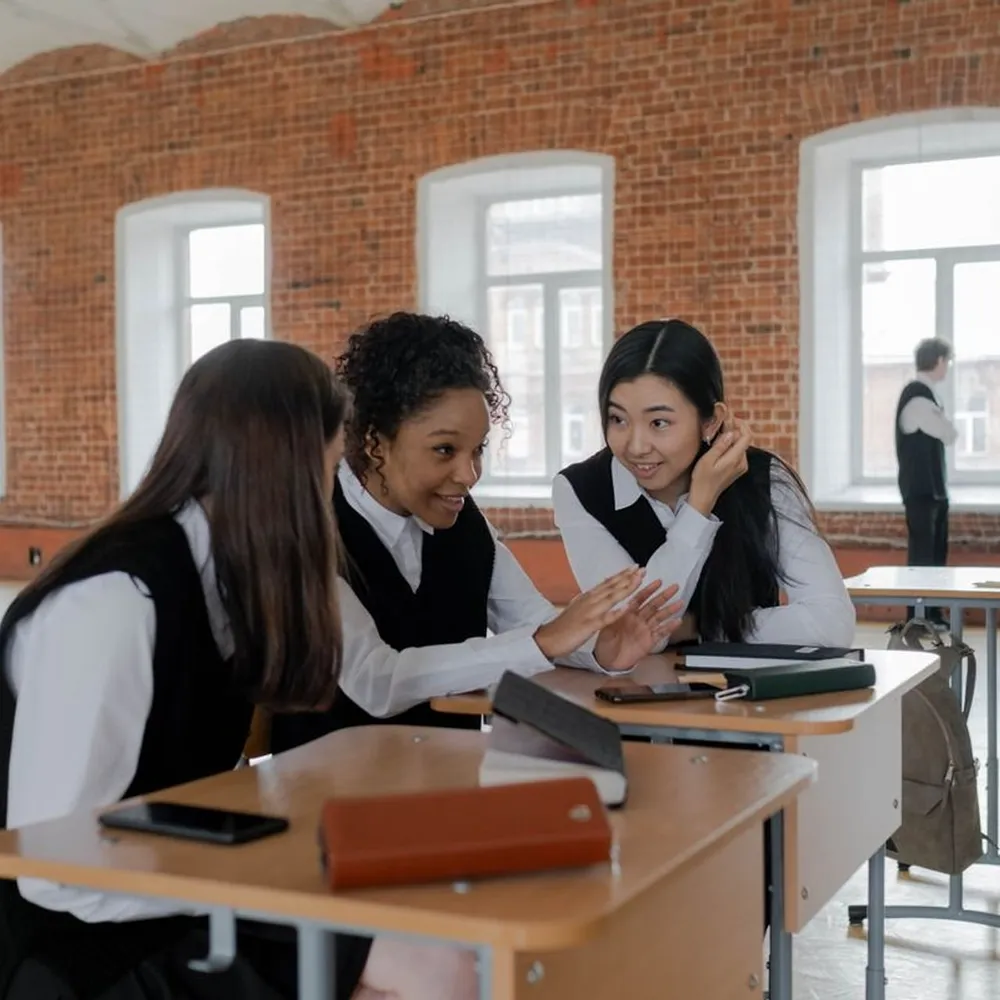
A visual study, a short performance or a musical phrase can all develop through a visible sequence of decisions.
Look closely, listen carefully and record a starting idea. Try more than one material, movement or interpretation before choosing a direction.
Share work while it can still change. Ask a focused question about composition, technique or meaning, and distinguish a personal preference from useful feedback.
Consider what the audience needs to know. After sharing, explain a decision that worked, something still unresolved and a technique to carry into the next piece.
Start with a conversation about learning at CDI.
Book a Visit