
A question worth asking
A worthwhile question gives knowledge a purpose. It invites close attention and makes the next explanation, investigation or discussion matter to the learner.
A Cambridge International curriculum taught in English, with Spanish and Catalan throughout. Years 10 to 13, one class per year group, maximum eighteen.
| Curriculum | Cambridge International, alongside the Catalan curriculum requirements |
|---|---|
| Language of teaching | English; Spanish and Catalan taught as subjects from Year 1 |
| Ages and stages | Ages 14–18, Years 10 to 13 |
| Class size | Maximum 18, average 14 |
| Qualifications | IGCSE at Year 11; AS and A Level at Years 12–13; EvAU for Spanish university entry |
| Assessment | Continuous, criterion-referenced; three written reports a year |
Students need knowledge they can draw on and habits that help them use it. Reading, writing, mathematical reasoning and close observation provide a foundation for increasingly complex work. As learners develop, they take more responsibility for planning, making choices and explaining their decisions.
Progress does not always look like a straight line. A demanding question can reveal a gap in understanding; a first attempt can show what needs to change. Teaching should make these moments useful through clear explanations, practice and feedback that gives the learner a next step.

Six principles connect the different stages of learning. Open a card to see the purpose behind each one.
A worthwhile question gives knowledge a purpose. It invites close attention and makes the next explanation, investigation or discussion matter to the learner.
New skills need clear teaching and repeated use. We make room for practice that helps a learner move from a supported first attempt towards a more confident choice.
An unfamiliar interpretation can reveal an assumption. Listening and comparing evidence help learners understand another position before deciding what they think.
A draft, rehearsal or model is an invitation to improve. Feedback matters when there is time to use it and a clear reason for making a revision.
Working with others means both offering an idea and making room for theirs. Shared responsibility grows when each learner understands how their contribution supports the work.
Reflection turns an experience into something useful for the next task. Learners identify what helped, what remains uncertain and which action could move them forward.
A curriculum is also a way of organising experiences. A science investigation can call for clear writing and mathematical reasoning. A design project can involve history, material choices and an understanding of the people who will use it.
Connections should deepen subject knowledge rather than replace it. Students learn to recognise which tools a question requires, check the strength of their evidence and communicate an explanation to a particular audience. Learning becomes more useful when they can describe not only an answer, but how they arrived there.

These examples make the approach visible through the work a student does, rather than through a list of broad aims.
Read a short source, explain a key idea without looking back and use it to interpret a new example. The task reveals both what has been remembered and whether the idea can be applied.
Make a claim about an investigation or text, identify the evidence that supports it and consider another possible explanation. A convincing response shows the connection between the evidence and the conclusion.
Turn research into a written explanation, a spoken presentation or an annotated design. Choose the details another person needs and check whether the sequence is easy to follow.
Compare individual ideas before deciding on a shared approach. Give each person a clear role, record the group’s decisions and make sure everyone can explain the result.
Compare a draft with a model or agreed criteria. Choose one change that will strengthen the work, make the revision and explain why the new version is clearer or more accurate.
Break a task into manageable parts, estimate what is needed and review progress at a useful point. Independence includes recognising when a question or a request for help will move the work forward.
Learning, in detail
Look closer at the questions, processes and conversations that give learning its shape.

Learning
Six students joined the intensive English groups in September. After six weeks, two have moved into the mainstream for most of their timetable.
Read the story
Learning
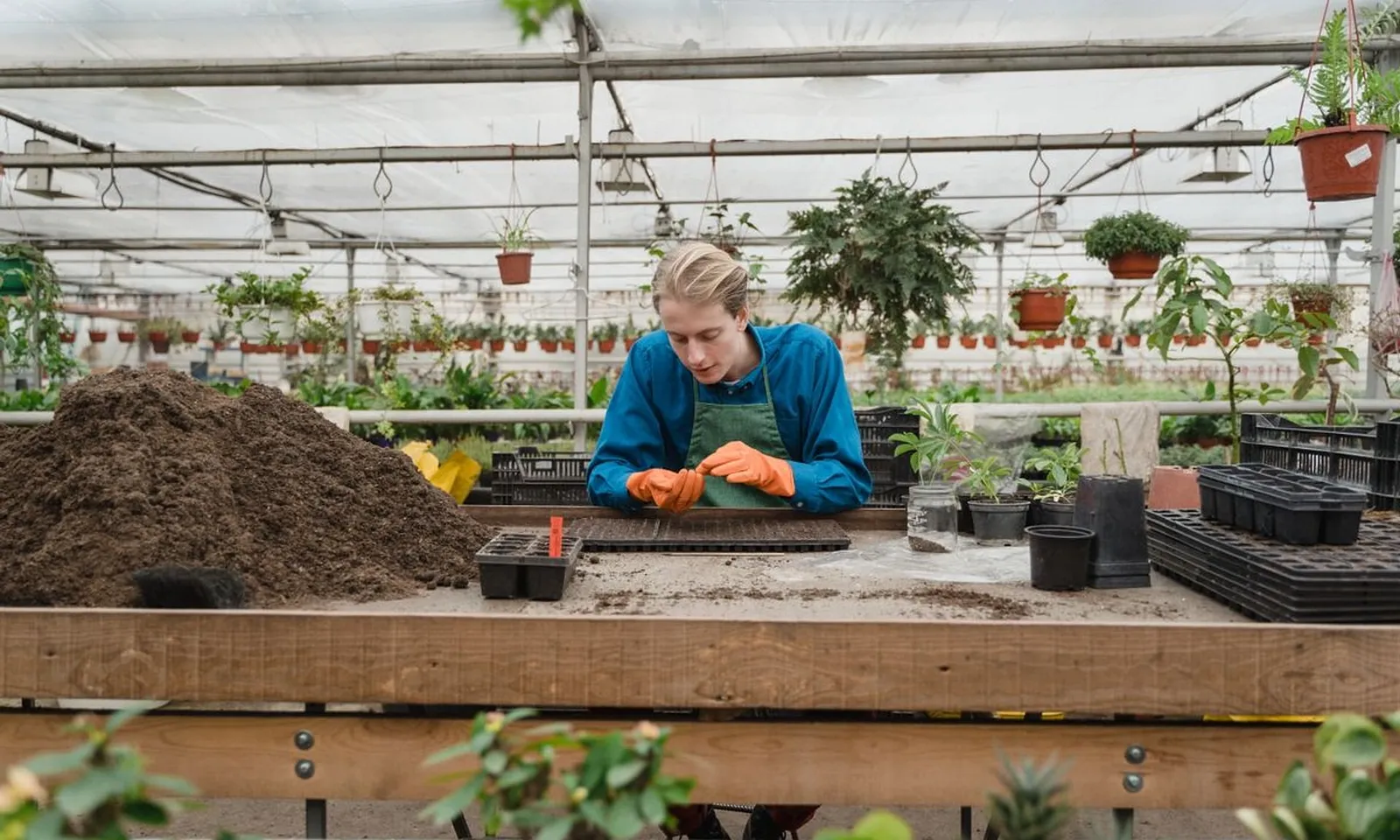
A seedling investigation shows how a simple observation can become a careful question about evidence.
Read the story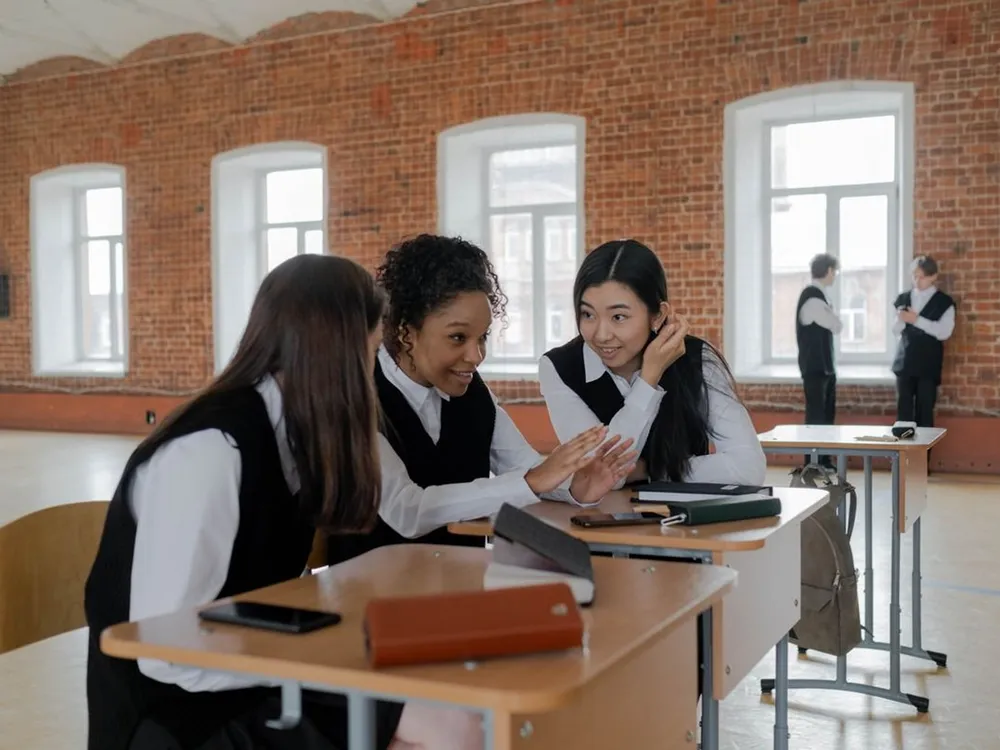
Making
A design becomes more interesting when a maker asks who will use it, what it must do and how to test it.
Read the storyStart with a conversation about learning at CDI.
Book a Visit