Begin with what you notice
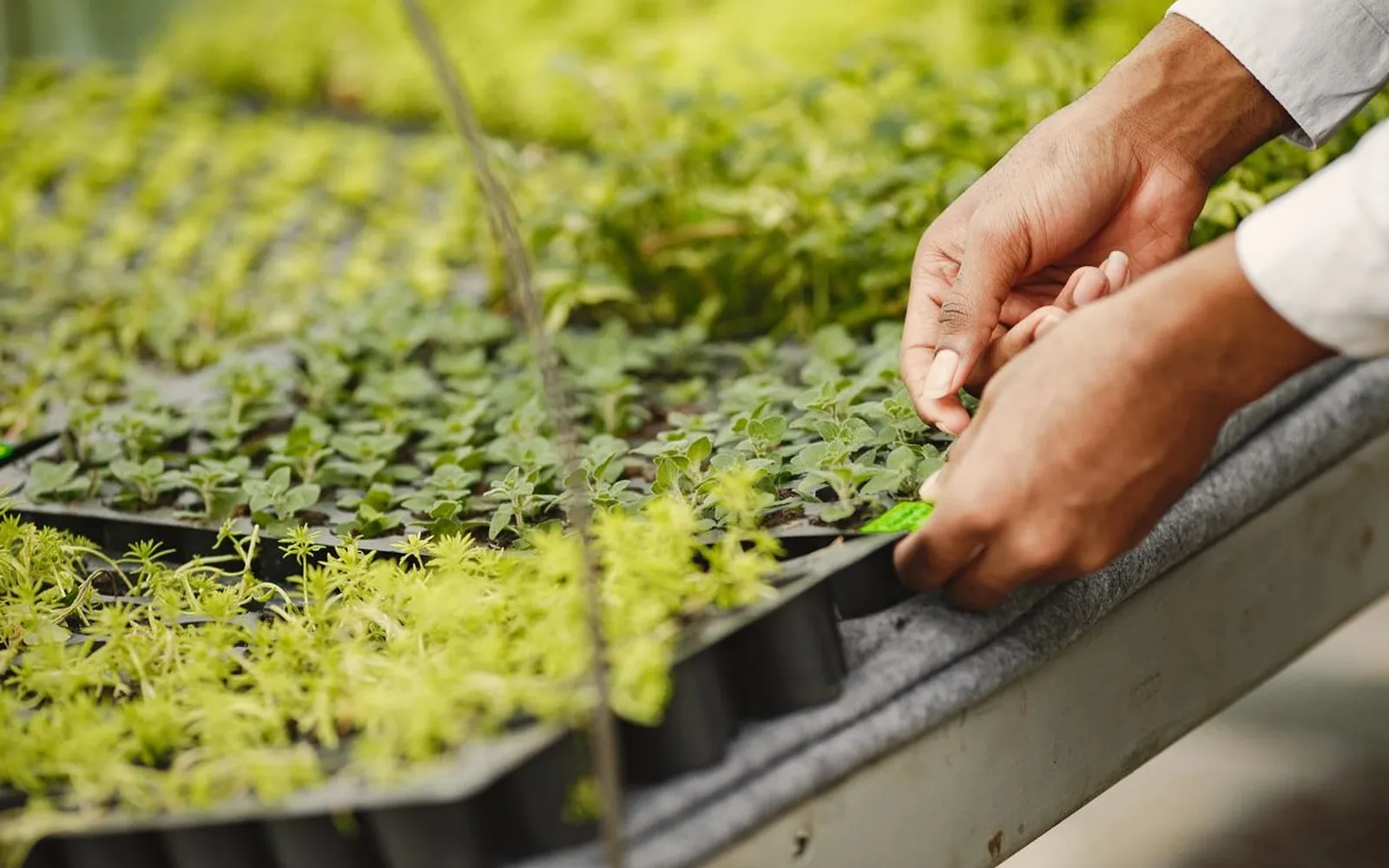
Two plants on the same windowsill do not always grow in the same way. One leans towards the light; another develops broader leaves. An observation like this can become a useful starting point for science, provided the next step is a question that can be investigated.
The temptation is to explain the difference immediately. A more productive response is to list possible influences and decide which one can be examined fairly. This turns curiosity into a plan rather than a guess.
Make the comparison meaningful
A careful investigation changes one relevant condition while paying attention to others. Students need to decide what they will measure, how often they will observe and what would count as useful evidence. A sketch can capture a feature that a number misses; a table can make a pattern easier to compare.
The record matters because memory is selective. Writing down an unexpected observation gives the class something to discuss later, even if it does not fit the first explanation.
An explanation with limits
The final task is not simply to announce which plant grew more. It is to connect the claim with the observations and explain what remains uncertain. A small sample or an uncontrolled condition may limit the conclusion.
Recognising those limits is part of learning to reason scientifically. It gives the next investigation a clearer purpose and shows that a good question can continue to grow after the first set of results.