Look beyond the visible result
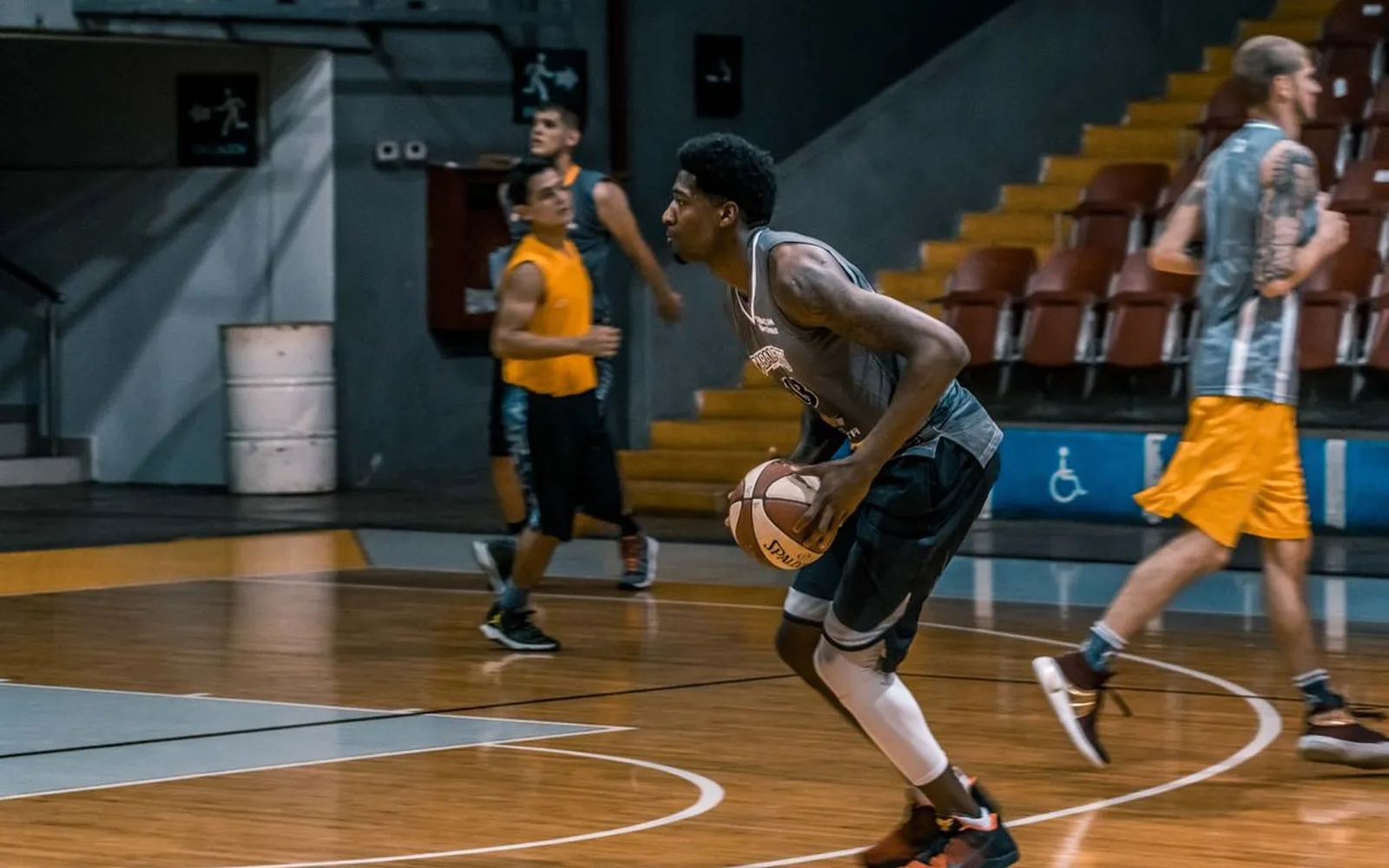
A successful play is easy to notice. The preparation around it is less obvious: a clear signal, a change of position or the decision to support someone else’s movement. These actions make teamwork more than a collection of individual skills.
Students can learn to observe this less visible work. Watching a short sequence and describing the decisions helps turn a general idea of teamwork into something they can practise.
Respond to the next moment
Mistakes are part of physical learning. The response can either help the group reorganise or make the next task harder. A useful message is clear, brief and directed towards what the team needs to do.
Practising this response develops self-management as well as communication. It asks a learner to recognise disappointment without allowing it to decide the next action.
Reflect as a group
A review can consider preparation, communication and effort alongside the outcome. Which choices helped? Where did the plan become unclear? What is one thing the team can practise deliberately?
These questions connect competition with learning. A result provides information, but it does not contain the whole story. The way a team uses that information can shape what happens the next time it plays.