Slow the first impression
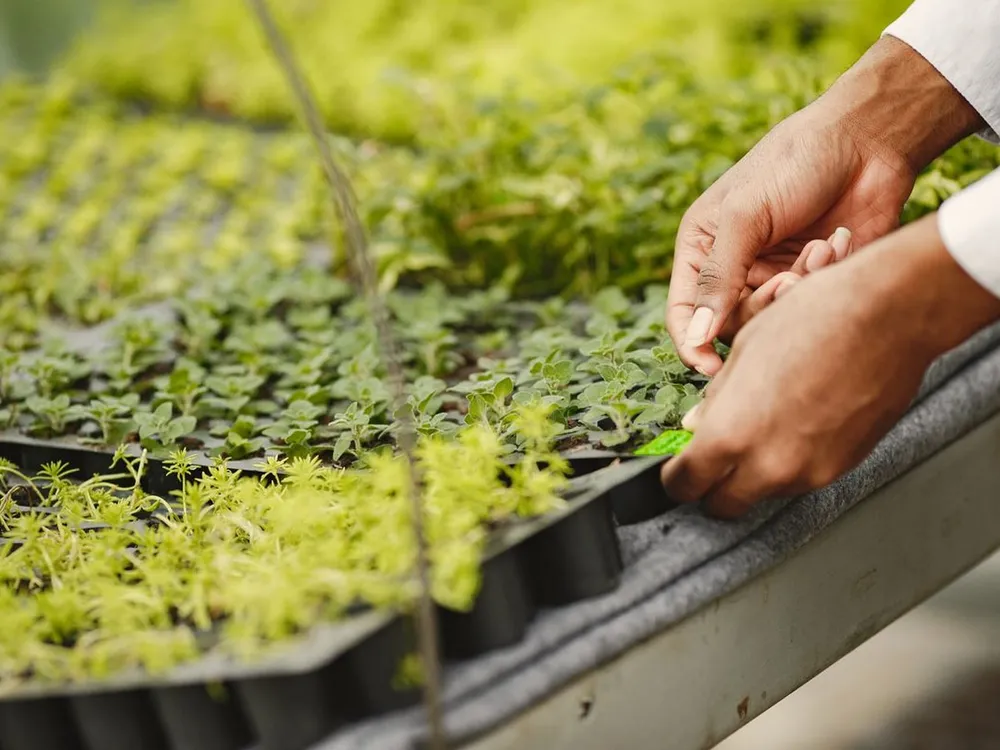
A familiar place can contain details that are easy to overlook. The direction of a shadow, the sound near a wall or the pattern of plants beside a path may suggest a question. Time spent observing changes what a learner is able to notice.
The first record can be simple: a sketch, a few measurements or a description of what is present. Separating observation from explanation helps students avoid turning an early impression into a conclusion.
Compare what different people notice
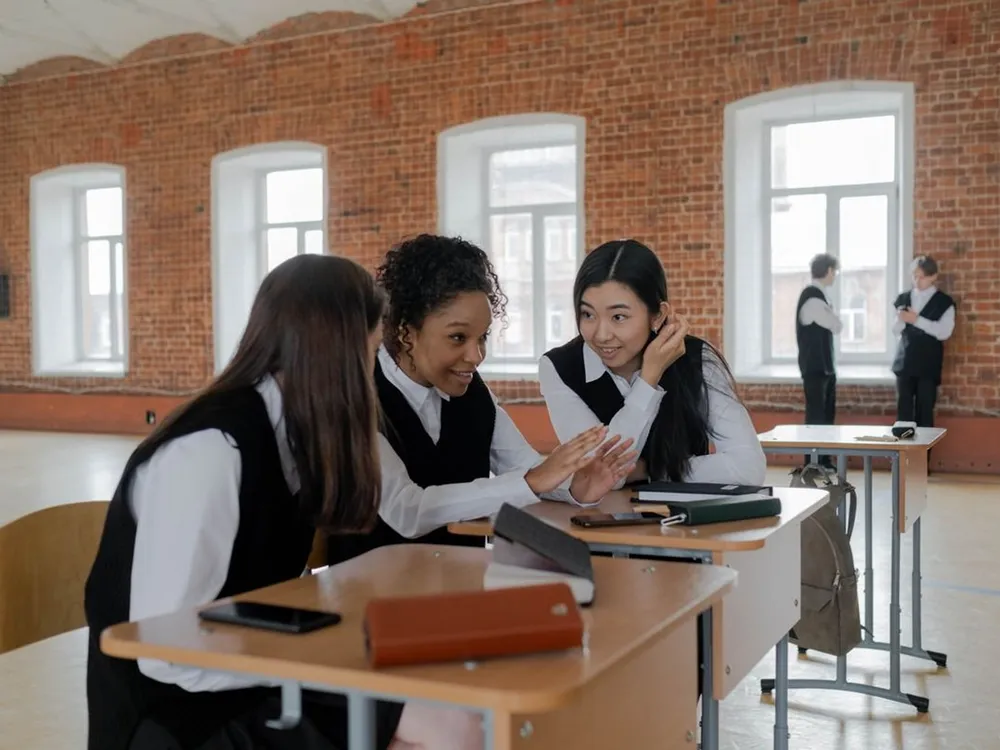
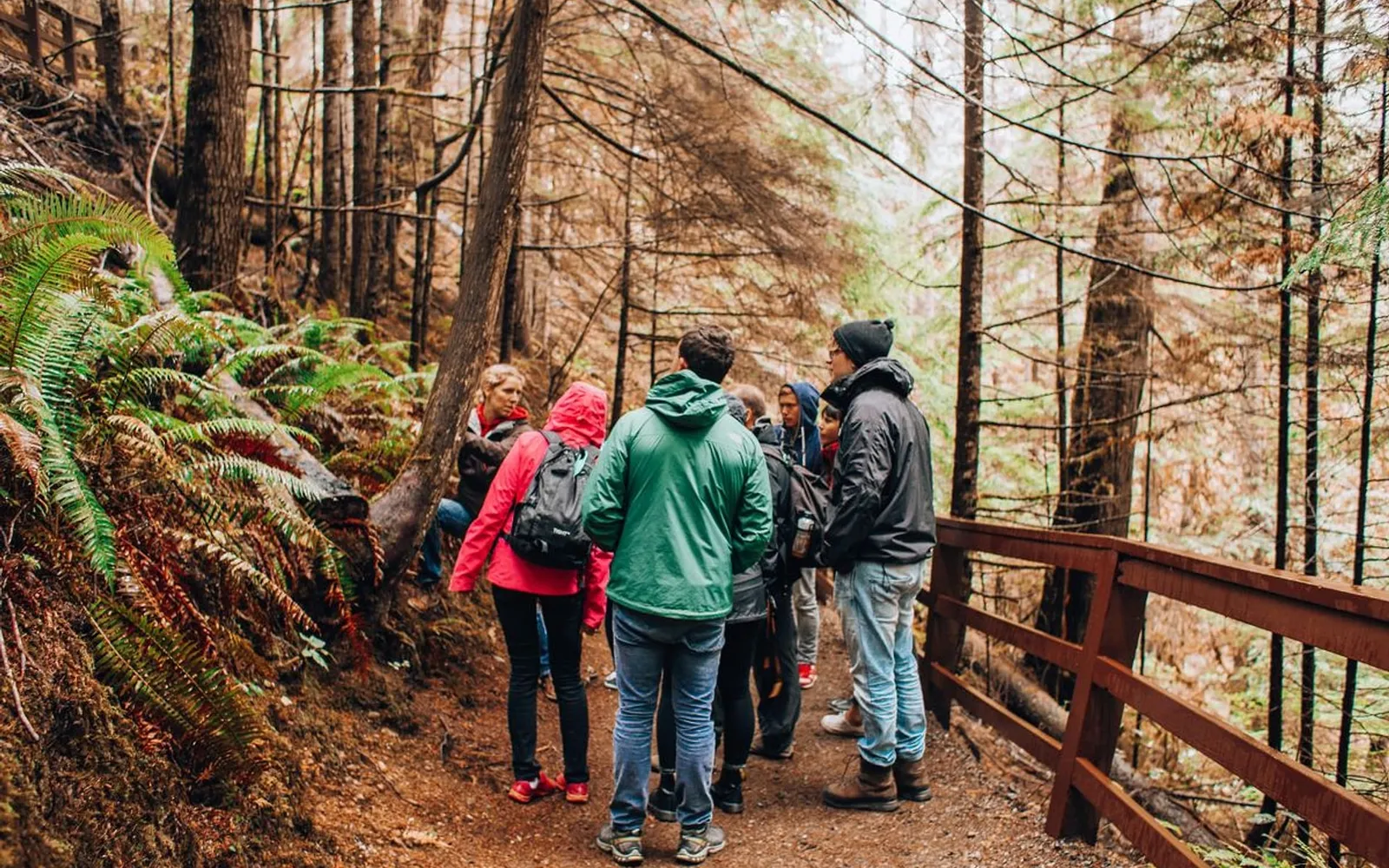
Two learners standing in the same place may attend to different things. Comparing their records can reveal a feature one person missed or a difference in the way a term was understood.
The discussion is an opportunity to improve the method. Students can decide whether they need a clearer category, a repeated measurement or observations from another position. The place becomes a source of evidence rather than a backdrop.
Bring the experience back
The learning continues when observations are organised and connected with other knowledge. A map, explanation or proposal asks students to decide what matters and how to communicate it.
A nearby environment can support serious investigation without requiring a distant journey. The quality of the question, the care of the observation and the reasoning afterwards give the experience its educational value.