
More than correcting errors
A second draft can be more than a cleaner version of the first. It is an opportunity to reconsider the relationship between an idea and the reader. Is the argument clear? Does the evidence support it? Is an important step missing because the writer already knows what they mean?
These questions make revision a form of thinking. The writer has to step outside the immediate act of composing and examine the work from another perspective.
Feedback that can be used
Useful feedback identifies something specific and gives the writer a decision to make. A reader might point to a place where the reasoning becomes difficult to follow, or ask how an example connects with the main claim.
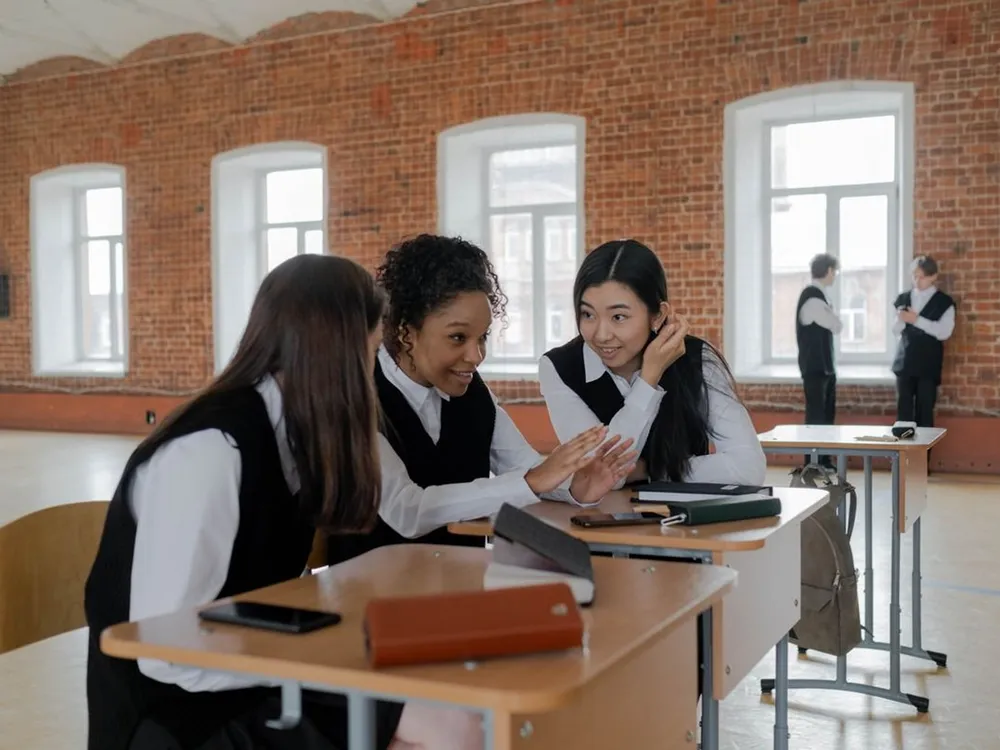
The response does not have to be accepted automatically. A student can consider the comment, test a change and explain why they have chosen a particular revision. That conversation develops judgement as well as technique.
Keep a trace of the decisions
Comparing a short section before and after revision can reveal more than looking only at the finished piece. The student can describe what changed, why it changed and whether the new version serves the intended purpose.
Over time, these decisions become a resource. A writer begins to recognise recurring habits and to anticipate the questions a reader may ask. Independence grows from understanding the craft, not from being told to work without help.