Understand the routine
A suggestion to reduce waste can sound obvious until the routine behind it is examined. People may use a material for different reasons, or lack a practical alternative. An effective response begins by understanding these conditions.
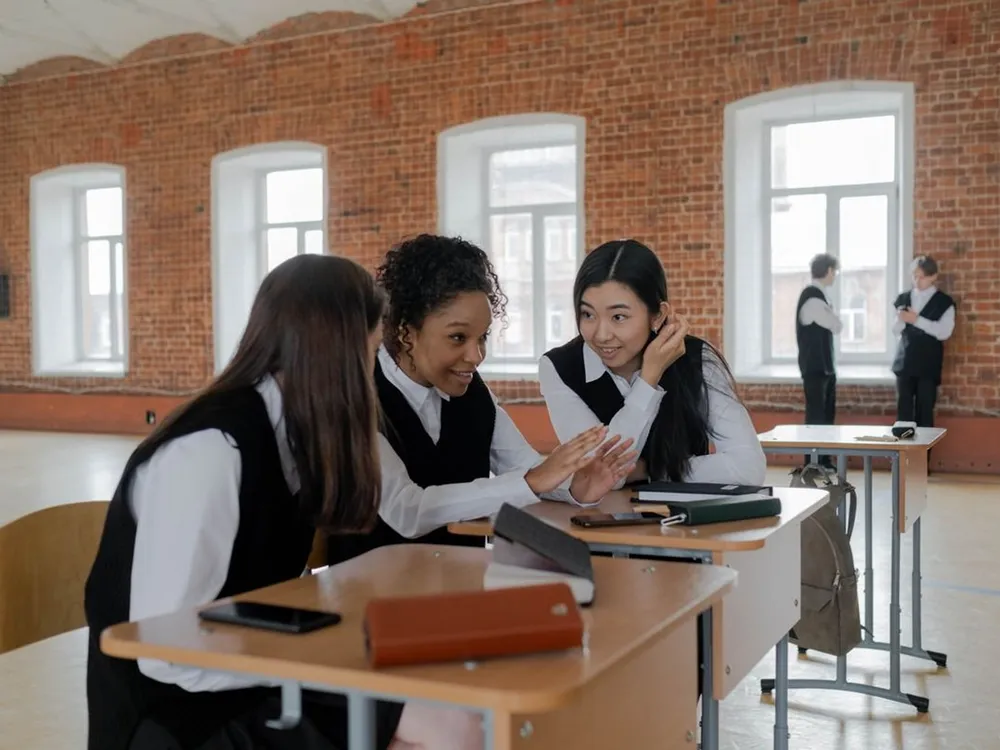
Students can observe a shared space, record patterns and ask the people who use it about their needs. The purpose is to learn, not to find someone to blame for a problem.
Choose a change that can be tested
A manageable experiment allows a group to compare intention with experience. It might involve a clearer sign, a different arrangement of materials or a revised way of sharing information.
Before acting, students should decide what would indicate a useful change. A count can show one aspect of the result, while a conversation may reveal a difficulty the numbers do not explain.
Consider what continues
Reviewing the experiment includes asking whether the change can be maintained and who would need to take responsibility. A solution that depends on constant attention from its organisers may need further thought.
The lesson is not that small actions always produce large effects. It is that careful investigation can make an action more appropriate, and honest review can make the next decision better informed.